RECIPES
Author
PETER KAREN
Author
PETER KAREN
TYPES OF RECIPE BOOKS
1.General Cookbooks
3.Beginner Cookbooks
3.Family/Personal Cookbooks
1.Learn New Skills: Improve your cooking by learning new techniques from professional chefs.
2.Discover New Dishes: Find inspiration for new and creative meals.
3.Preserve Traditions: Keep family recipes and culinary traditions alive for future generations.
4.Organize Your Collection: A physical or digital recipe book helps keep your recipes organized.

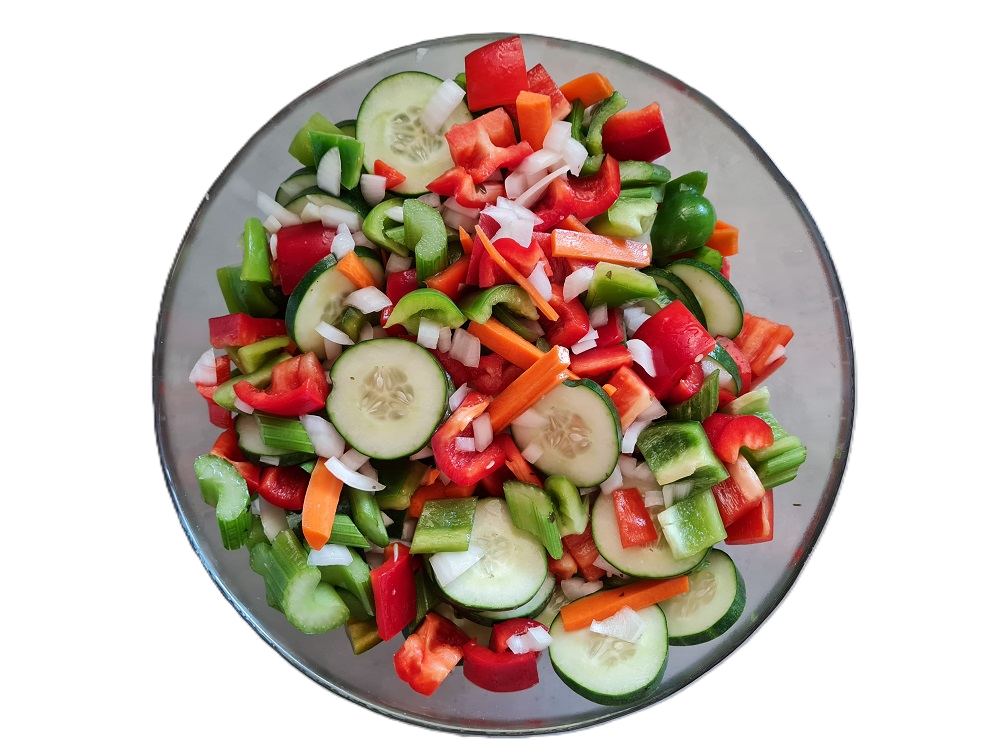
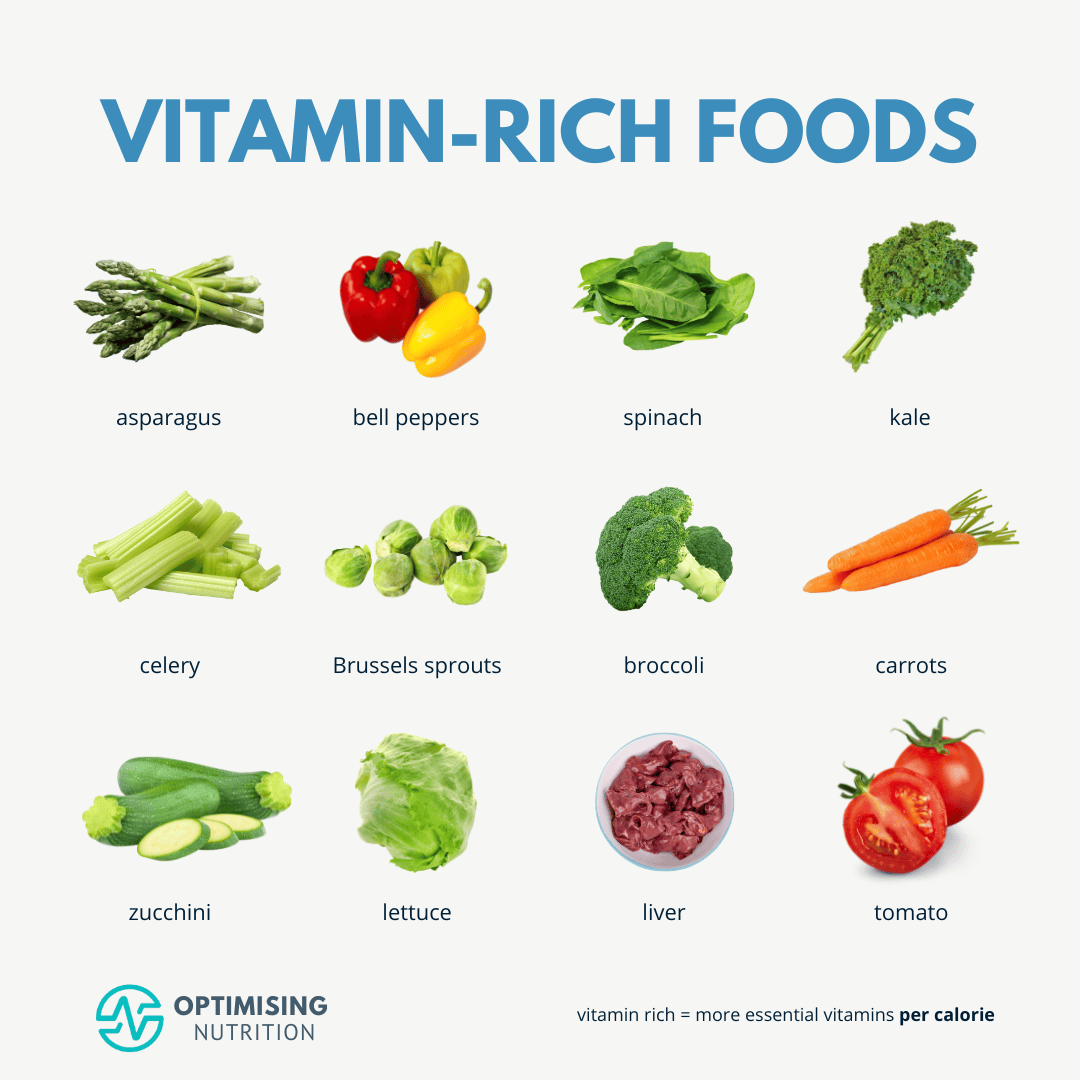
Salad can be made in many different ways – with raw vegetables, with boiled or steamed vegetable and also with grilled veggies. Whatever way you make it, a vegetable salad is absolutely great for your body as it increases the intake of your veggies.
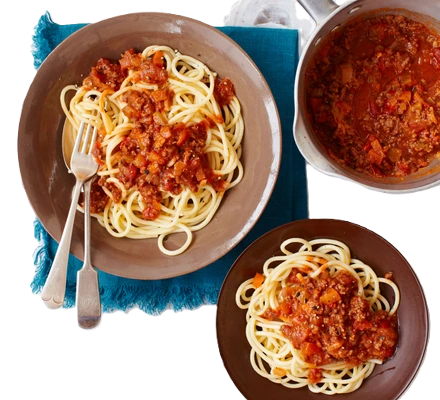
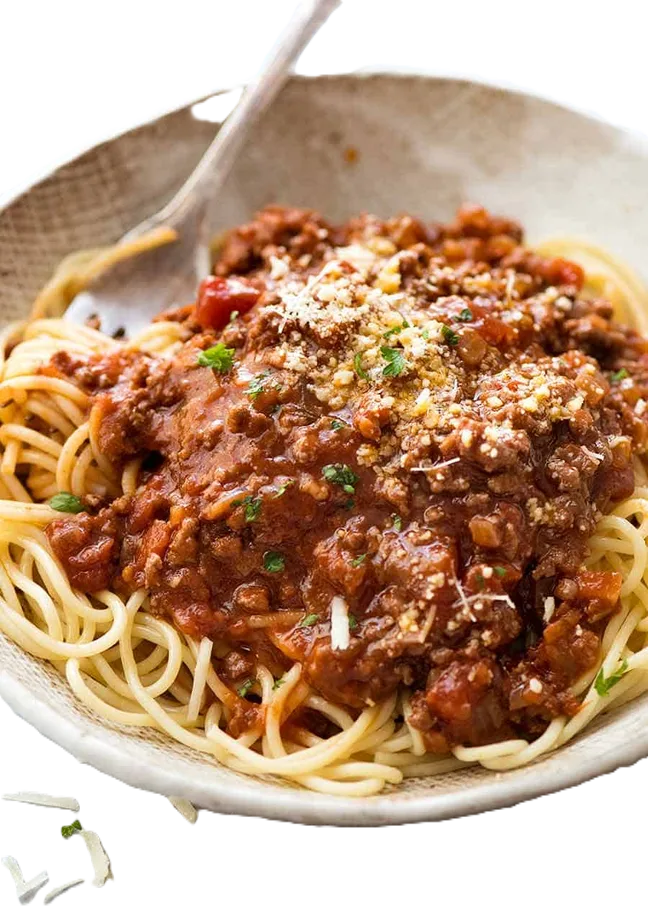
How to make Bolognese Sauce
The making part is straightforward and quite quick too:
>Saute garlic and onion – about 3 minutes;
>Brown the beef – about 2 minutes;
>Add everything else, give it a good stir then simmer for 20 minutes minimum (midweek), up to 3 hours (weekend indulgence!). Slow cooking makes the beef incredibly tender and the sauce develops extra flavour.
Ingredients information refers to the list of components that make up a product, primarily found on the packaging of food, beverages, and other goods. On a food label, ingredients are listed in descending order by weight, meaning the ingredient used in the largest quantity by weight
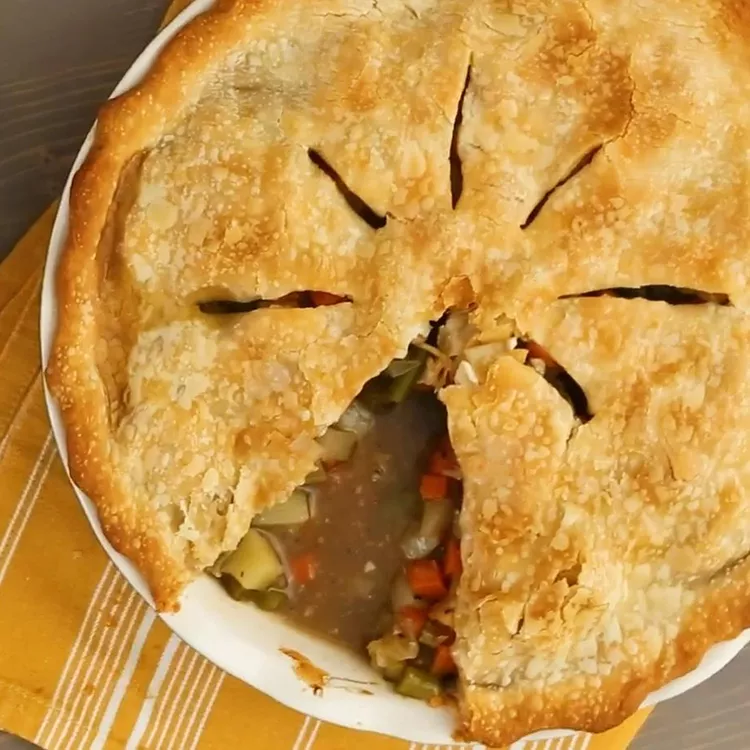
4 waxy “new” potatoes (400g), cut into 1/2-inch pieces
3 medium carrots / 1 cup (120 g), cut into 1/2-inch chunks
1/4 cup / 60 ml extra-virgin olive oil
1 small onion, chopped
3 stalks celery, chopped into 1/4-inch pieces (90g)
1 1/4 teaspoons fine grain sea salt
3/4 cup / 65 g chopped mushrooms
4 medium cloves garlic, chopped
1 teaspoon dried or fresh thyme (or fresh rosemary, chopped)
1/3 cup / 40 g unbleached all-purpose flour
1 3/4 cup / 415ml good-tasting vegetable broth*
2/3 cup / 160 ml heavy cream, plus more fo
1 cup / 125 g frozen peas
1 cup / 125 g frozen peas
1.Instructions: Step-by-step guidance on preparing dishes.
2.Techniques: Explanations of different cooking methods.
3.Nutritional Information: Data on the nutritional content of the recipes.
4.Cultural Context: Insights into the culinary practices of a particular culture or region.
5.Tips and Tricks: General advice for successful cooking and meal planning
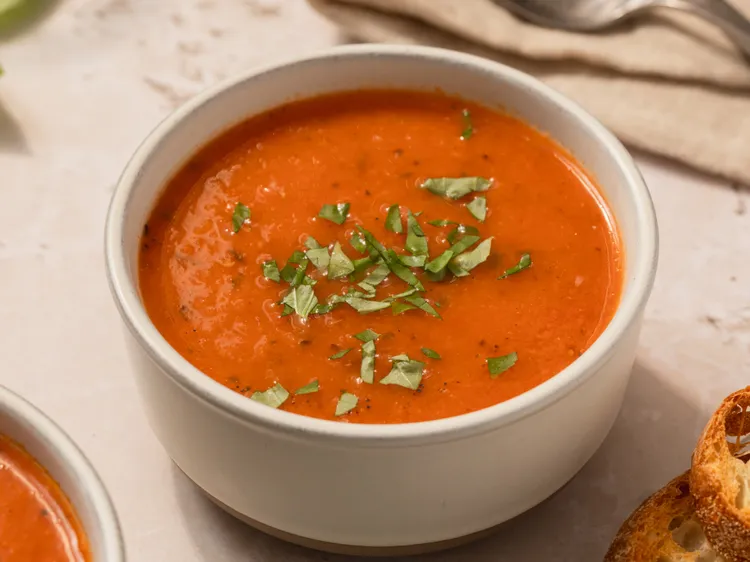
Roasted Tomato Soup
The tomato soup to make if you have a good blender and a haul of tomatoes. Tomatoes, onions, garlic, and a red pepper are roasted, then seasoned with a touch of smoky paprika. Couldn't be more simple or flavorful.
1 1/2 pounds tomatoes, cored (if necessary) and quartered
1 large red bell pepper, seeded and quartered
3 medium yellow onions, peeled, quarteredextra-virgin olive oil
5 plump cloves of garlic, unpeeled
5 plump cloves of garlic, unpeeled
2 - 3 cups hot vegetable stock or water
1 teaspoon paprika
1/2 teaspoon cayenne powder (optional)
1.Preheat the oven to 375°F degrees and position 2 racks in the middle of the oven
2.Line 2 rimmed baking sheets with parchment paper, alternately you can just rub them down with a thin glaze of olive oil.
3.Line 2 rimmed baking sheets with parchment paper, alternately you can just rub them down with a thin glaze of olive oil.
4.Place the pepper skin side down as well. Give both sheets a light showering of salt, then bake until the tomatoes start to collapse and the onions start to brown and caramelize, about 45 minutes.
5.Turn the onions if they start getting overly dark on the bottom
6.Check on the garlic as well, once the garlic cloves are golden and oozy inside, pull them from the oven and allow to cool.
NUTRIENTS PRESENT IN TOMATO SOUP
Tomato soup is rich in potassium, vitamins A, C, and K, and lycopene, a powerful antioxidant. It also provides fiber, protein, and various other minerals, although the exact nutritional content varies depending on the recipe
Vitamin A: Contributes to good vision and immune function.
Vitamin C: An essential antioxidant that supports immune health.
Vitamin K: Important for blood clotting and bone health.
Folate (Vitamin B9): Vital for cell growth and function.
Potassium: Helps maintain healthy blood pressure levels.
Other minerals: Depending on the base, it can also contain smaller amounts of calcium, iron, and magnesium.
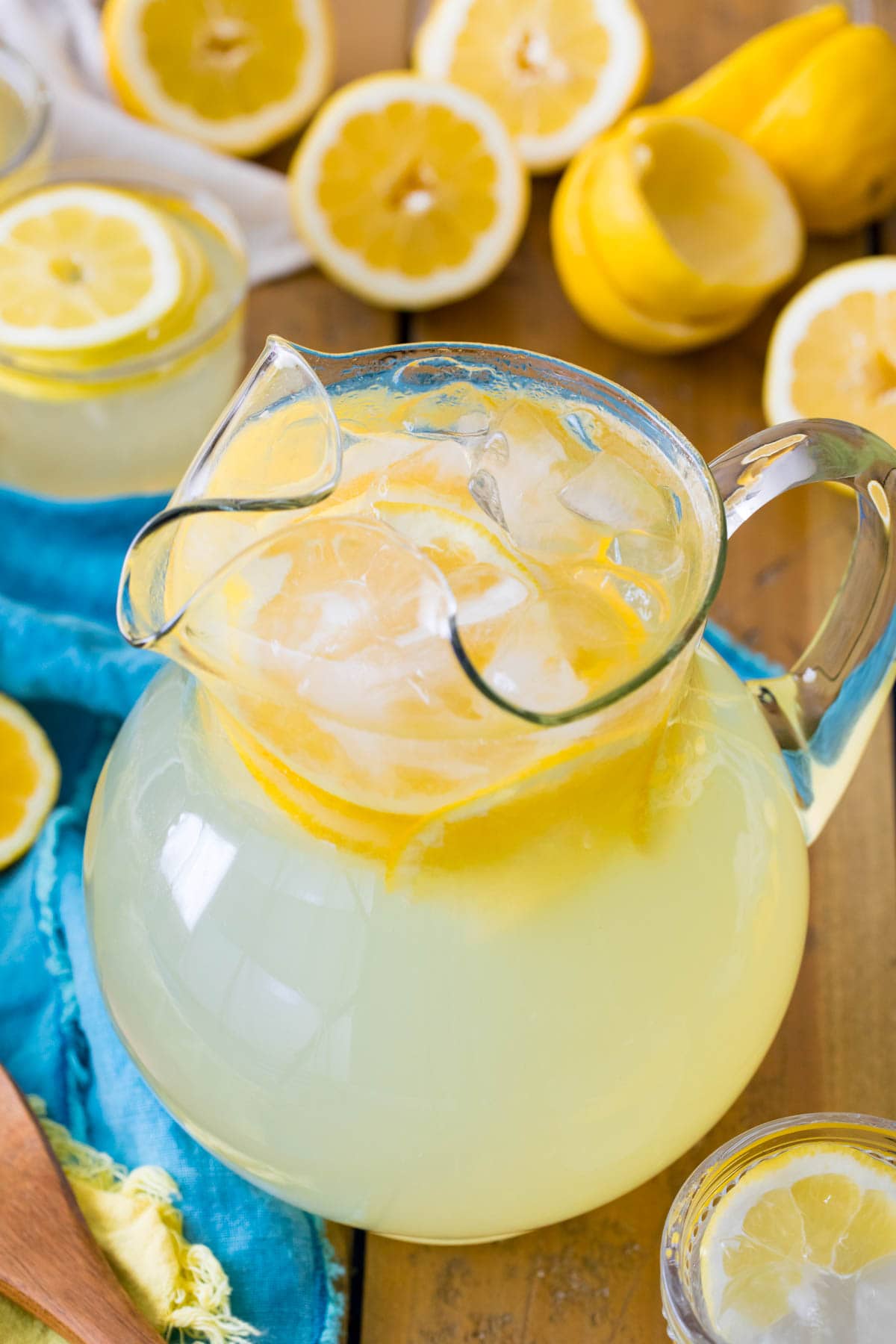
LEMONADE JUICE
1 cup fresh lemon juice.
1 can (14 oz.) sweetened condensed milk
4 1⁄2 cups cold water.
Ice cubes.
Lemon slices (optional)
How is traditional lemonade made?
After all, it is just three ingredients: lemon juice, sugar, and water. To make this lemonade-from-scratch recipe, juice the lemons and strain them, use the lemon juice to dissolve the sugar, then add cold water to taste.
Food is considered a part of intangible cultural heritage, a way of life that is passed down from generation to generation. Traditional recipes, cooking techniques, and dining etiquette can reflect the values and beliefs of different communities and are all vital parts of cultural heritage.
FOOD AS CULTURE
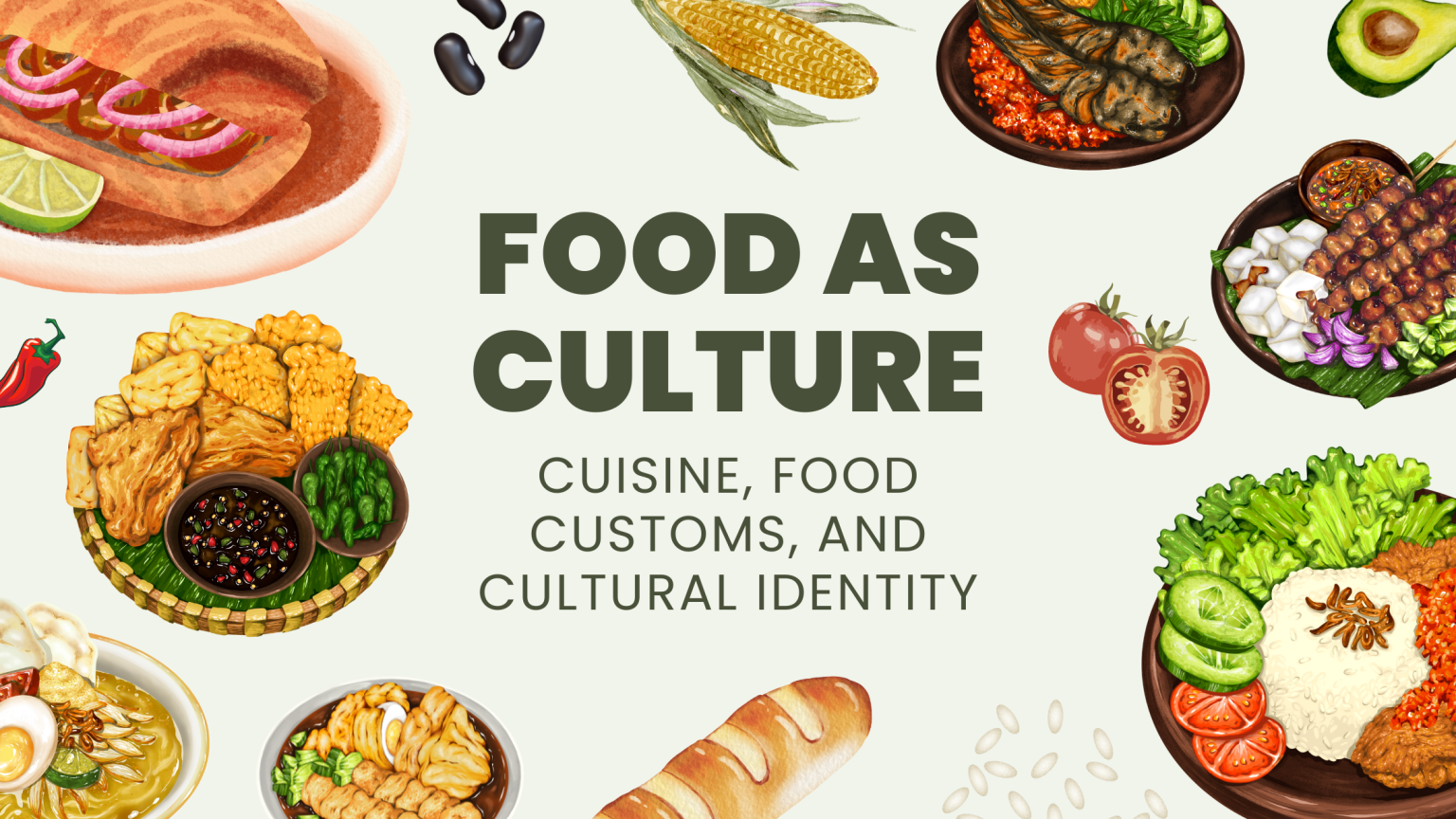
Food is considered a part of intangible cultural heritage, a way of life that is passed down from generation to generation. Traditional recipes, cooking techniques, and dining etiquette can reflect the values and beliefs of different communities and are all vital parts of cultural heritage.
CAKES
Types of Cakes
1. Butter (Shortened) Cakes
2. Foam Cakes
3. Cream Cakes
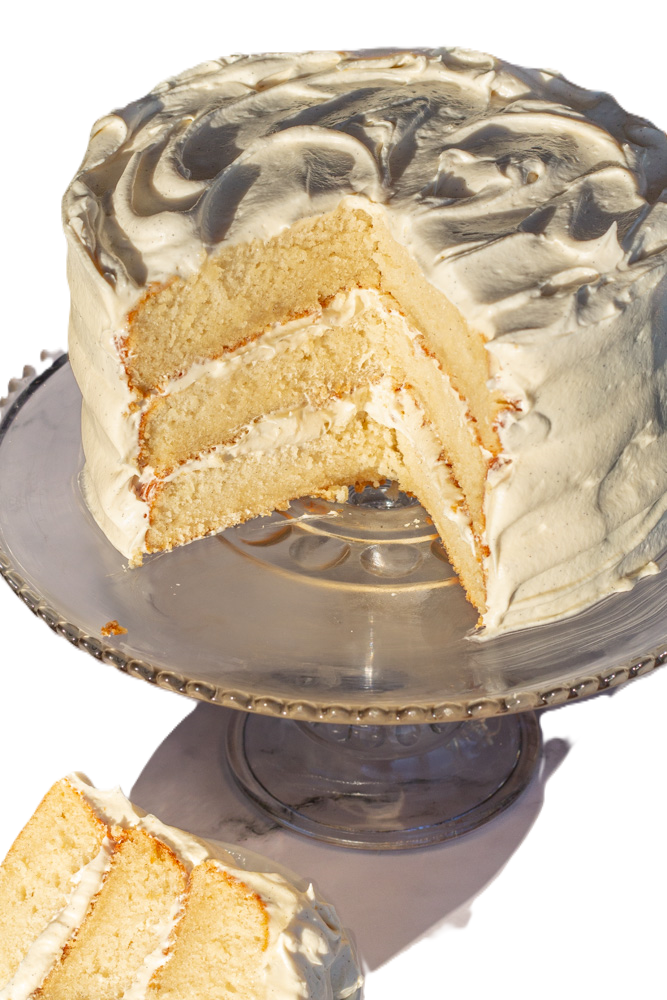
4.Vanilla cake
5.Upside-down cake
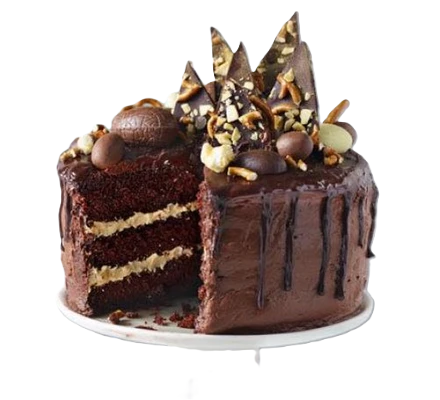
6.Chocolate cake
4 cups cake flour 480 g
2 teaspoons baking powder 10 ml
1 teaspoon baking soda 5 ml
1 teaspoon salt 5 ml
170 g coconut oil room temperature
170 g butter room temperature 1.5 sticks
2 ½ cups granulated sugar 500 g
8 egg whites
2 tablespoons vanilla bean paste
2 teaspoons vanilla extract
2 cups buttermilk 480 ml
Instructions
1.Preheat the oven to 350°F (180°C). Grease three 8” cake pans and line with parchment
2.In a medium bowl, mix together the flour, baking powder, baking soda, and salt. Set aside
3.In the base of a stand mixer or in a bowl with a hand mixer, cream together the butter, coconut oil, and sugar until pale, light and fluffy. This will take about 5 minutes on medium high speed. Scrape down the bowl halfway through
4.With the mixer still running, slower pour in the egg white and whip for 1-2 minutes until well combined
5.Add in the extracts and mix until well combined
6.Reduce the mixer speed to low and then add 1/3 of the flour mixture until just combined then add ½ of the buttermilk and repeat the remaining flour and buttermilk, alternating. You should start and end with the dry
7.Divide the batter evenly into 3 and place it evenly into the 3 prepared cake pans
8.Bake for 35-40 minutes or until a toothpick comes out clean